
 Español

Have you ever experienced this? Your garage door sometimes makes loud, squeaky noises and grinding sounds. These harsh noises can be annoying, disturb your neighbors, and even scare your kids and pets. In some cases, they may also pose safety risks.
So, when your garage door starts making loud squeaks or rattling sounds, don’t ignore it. This article lists common reasons why garage doors make noise and how to fix noisy garage doors. Hope you find it helpful!
1. Identify the Source of the Noise
There are many reasons why a garage door makes noise. To find the cause, you first need to figure out where the noise is coming from. Is it just one spot, or are there multiple noisy areas?
This step is very important to fix noisy garage doors. So, when your sectional garage door starts making loud noises, don’t rush. Take your time to check the entire door and pinpoint the source of the sound.
2. Tighten Loose Nuts and Bolts
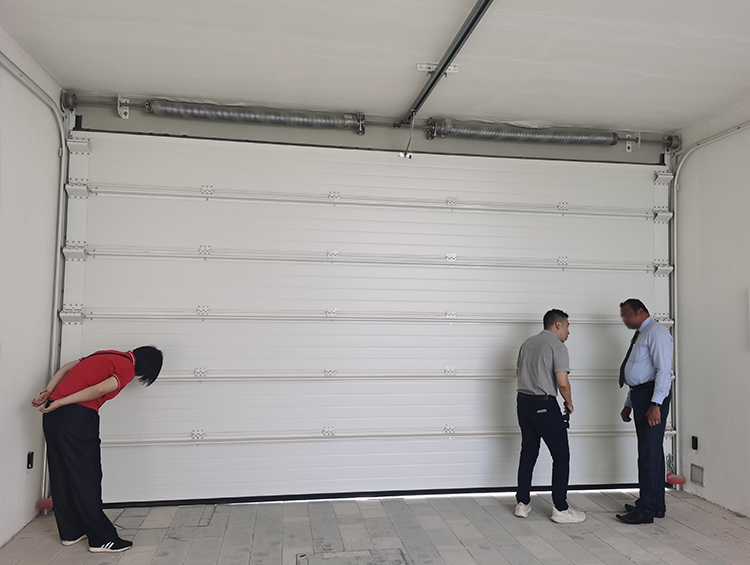
If your steel garage door makes a creaking or squeaking sound while running, it may be due to loose or broken nuts and bolts.
A garage door operates with the help of garage door panels, garage door torsion springs, garage door hinges, and garage door tracks, all of which are connected by many nuts, screws, and bolts. Over time, these fasteners can loosen, causing the door to make noise.
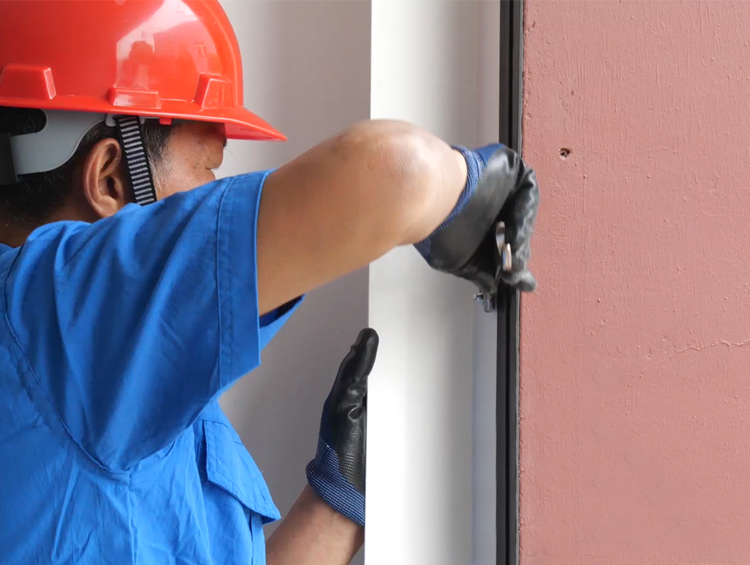
If you notice this issue, check all the garage door hardware for wear and replace any damaged ones. Use a wrench to tighten all nuts and bolts to fix noisy garage doors.
Warning: Do not try to adjust any parts related to the garage door spring system yourself. Torsion springs are under high tension, and improper handling can cause serious injuries. Always contact a professional for repairs.
3. Lubricate Moving Parts
If your garage door makes a loud, screeching noise while running, it may be due to a lack of lubrication.
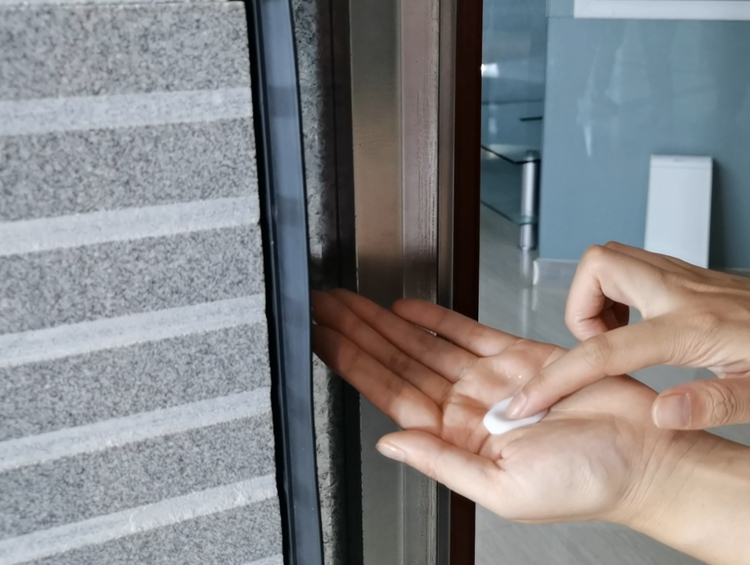
When this happens, first turn off the power to your automatic garage door. Then, lubricate the garage door by applying a specialized lubricant to all moving parts, including hinges, rollers, cable drums, springs, and other components to fix noisy garage doors. After lubricating the garage door, open and close the door 3–4 times to ensure the lubricant spreads evenly. Finally, wipe off any excess lubricant with a cloth.
Note: Don’t use too much lubricant, as it can attract dust. Wipe away any excess while spraying.
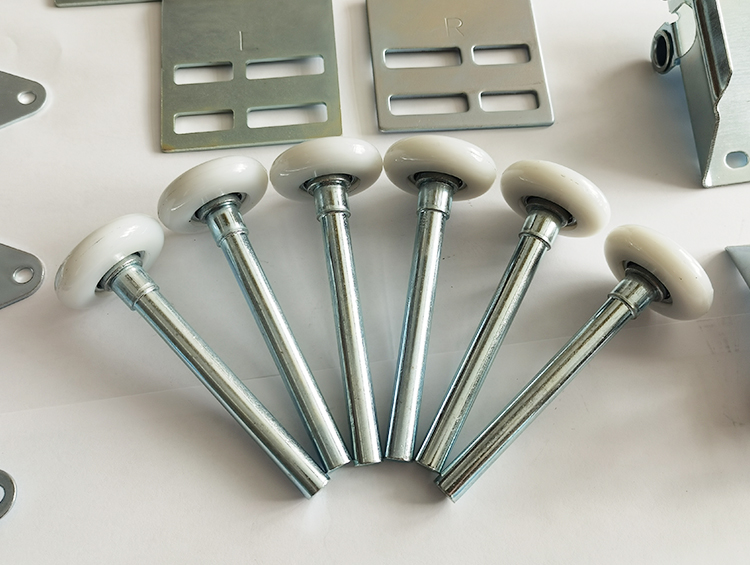
4. Inspect and Replace Worn-Out Rollers
If your garage door makes a sharp squeaking noise, the rollers or moving parts may be worn out or not properly lubricated. This friction can cause the loud sound.
To fix noisy garage doors, replace any worn rollers or moving parts and apply a specialized lubricant to reduce noise.
If your garage door currently has metal rollers, you may also consider switching to nylon rollers for a quieter operation.
5. Check the Garage Door Springs
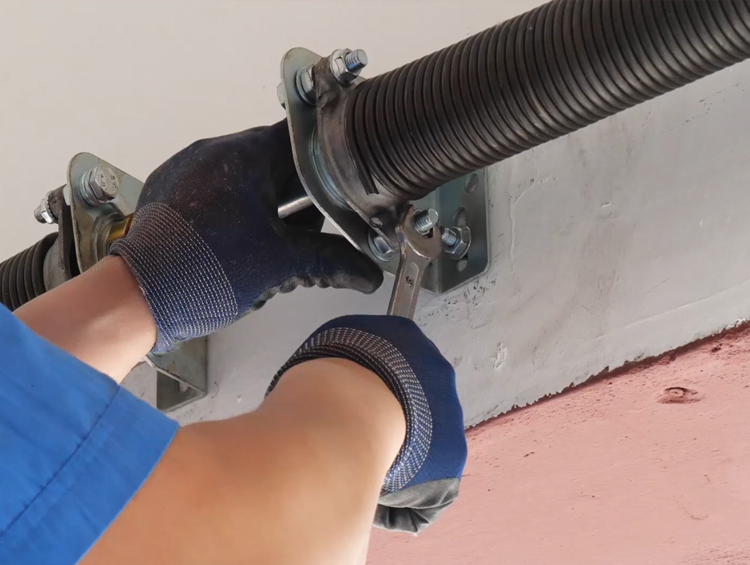
Garage door springs are essential for smooth operation. If the torsion springs have issues, the door may make loud noises.
If the springs are not properly lubricated, they can cause noise and affect the door’s movement. Applying a specialized lubricant can help reduce this.
Over time, springs wear out and may even break. If they become too worn, they can impact the door’s function and should be replaced promptly.
Warning: Garage door springs are under high tension. Do not touch or adjust them yourself. Always contact a professional for repairs or replacements to avoid safety risks.
6. Examine the Tracks
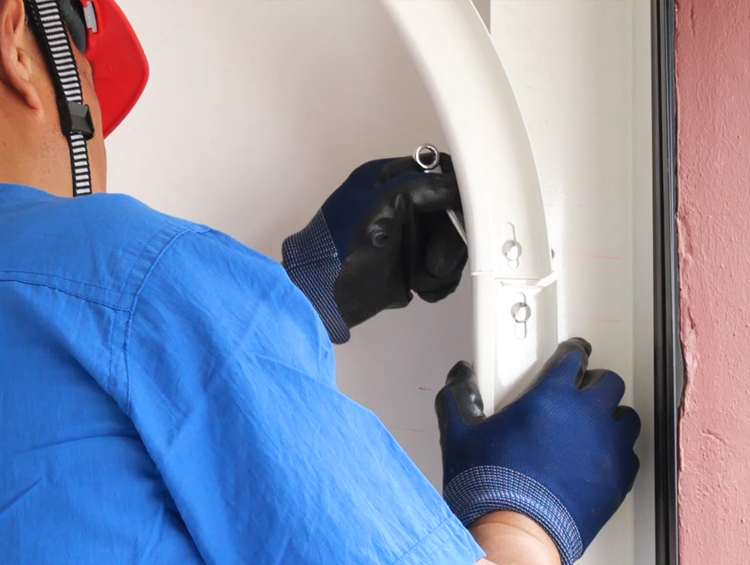
Garage door tracks guide the rollers and help the door move smoothly. If the tracks are misaligned or bent, they can cause noise. Checking the tracks is an important step in fixing a noisy garage door.
If the tracks are misaligned, the rollers may rub against the sides, creating a loud scraping sound.
If the tracks are bent or deformed, the door may hit or rub against them while moving, causing excessive noise and affecting its operation.
If you notice this issue, contact a professional to adjust the tracks to fix noisy garage doors. If the tracks are badly bent, they should be replaced promptly.
7. Inspect and Adjust the Garage Door Opener
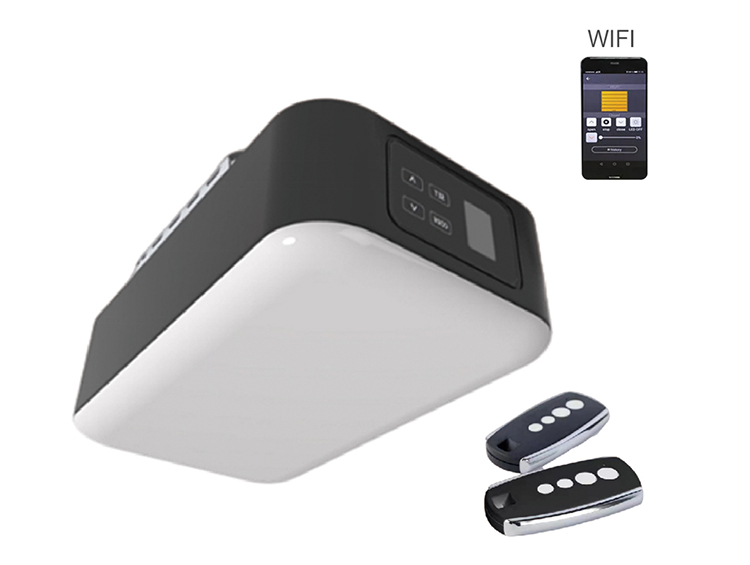
If the noise is coming from your automatic garage door opener, the chain or belt may be loose or worn out.
Check the opener carefully. If the chain or belt is loose, tighten it. If it lacks lubrication, apply lubricant. If it is badly worn, replace it promptly.
If the noise is still too loud, consider installing an anti-vibration pad between the opener’s mounting bracket and the ceiling. This can help reduce noise even more.
Bonus Tip: Regular Maintenance to Prevent Noise Issues
Scheduling regular garage door maintenance is one of the best ways to fix a noisy garage door. Regular inspections can help prevent noise and ensure your garage door operates smoothly for a long time.
Issues like damaged parts, rust, and old torsion springs can be quickly addressed without causing further damage to other parts of the door.
Conclusion
These are some common causes and solutions for noisy garage doors. When your garage door makes loud noises, don’t ignore it. Identify the cause and fix the problem promptly to avoid more serious safety issues.
If you encounter any issues with your garage door, feel free to contact Xufeng Door for experienced help on how to fix a noisy garage door and more!
FAQ
Q: How can I tell if the noise from my garage door is normal or a sign of a problem?
A: Normal garage door operation does make some noise, but it’s usually quiet and steady. If your garage door suddenly makes loud sounds, scraping noises, or sharp, high-pitched sounds, it’s usually a sign of a problem.
Q: What risks come from ignoring garage door noise?
A: Some noises are signals that certain parts of your garage door need replacing. Ignoring these noises and failing to replace the parts could lead to safety accidents.
Q: Does weather affect garage door noise?
A: Yes. Humid weather can cause the garage door hardware to rust more easily and cause lubricants to wear out faster, which can make the door noisier.
Q: Does the type of garage door affect the noise?
A: Yes. Metal doors tend to be noisier than wooden ones. Insulated garage doors are quieter than non-insulated doors during operation.
Q: Are there upgrades to make my garage door quieter?
A: Switching from a chain-driven opener to a belt-driven opener and replacing metal rollers with nylon rollers can help make your garage door quieter.
Q: How often should I lubricate my garage door?
A: Generally, lubricating your garage door every six months is enough. However, if you open and close the door several times a day, lubricating it every three months is a good idea. Also, consider your local climate. If you live in a humid or dusty area, the lubricant may wear out faster, so you may need to lubricate your garage door more frequently.


