Español

There are many types of garage doors, and many people don’t know the different categories. This article will explain the types of garage doors based on how they open, how they are operated, their design styles, and sizes. I hope this helps you choose the right garage door for your needs.
Based on Opening Method
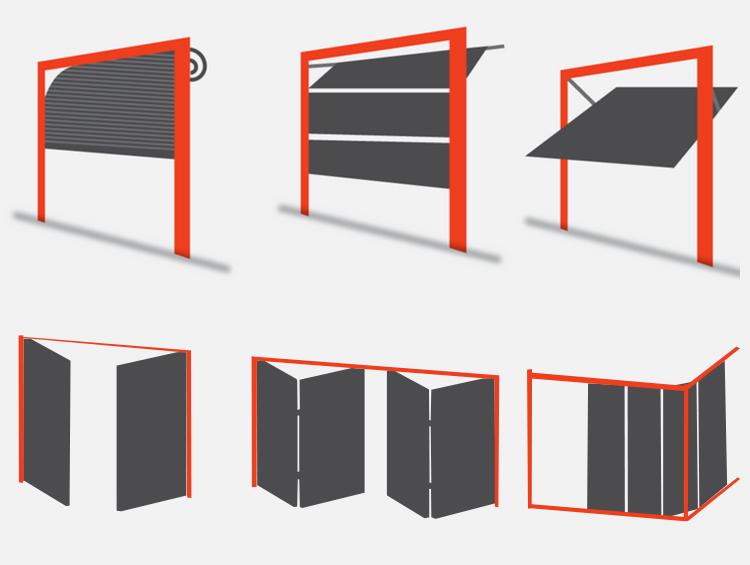
Garage doors can be categorized by how they open. The main types are sectional garage doors, roll-up garage doors, side-hinged garage doors, slid sliding garage doors, tilt-up canopy garage doors, and tilt-up retractable garage doors. You can choose the right type based on your garage space. Right now, sectional garage doors are the most popular choice for residential garages.
Sectional Garage Doors
Sectional garage doors use torsion springs or extension springs to support the weight of the door and are raised along the ceiling either manually or electrically.
The door panels are made of double-layered color steel plates with polyurethane foam filling in between. The panels are connected by hinges, and the tracks are installed along the top of the door opening and ceiling. The door is raised or lowered using a cable and pulley system, which is operated by electric or manual means to open and close the garage door.
Roll Up Garage Doors
Roll up garage doors use a door opener to rotate the drive shaft, causing the curtain panels to roll up or down along the outer diameter of the shaft, allowing the door to open and close. They are ideal for places with limited space above the door opening.
The curtain panels are made of high-quality single or double-layer steel or aluminum alloy profiles. The width of the panels can vary, such as 77mm, 95mm, or 100mm. In the case of double-layer steel panels, they can also be filled with polyurethane foam to enhance the door's insulation and thermal properties.
Rolling shutter doors come with various opening methods, including remote control, manual, and electric options, making them suitable for high-end villas, private garages, commercial shops, and more. For areas with high wind pressure, an anti-wind roller device can be added to prevent the curtain panels from falling off the track and provide wind resistance.
Side Hinged Garage Doors
Side hinged garage doors are a more traditional type of garage door, similar to how interior doors open. These garage doors are typically made of steel or wood and open and closed by hinging at the sides, swinging outward from the center. They are easy to install and are suitable for places with limited internal space or obstacles. However, compared to other garage doors, they are less convenient to open.
Side Sliding Garage Doors
Side sliding garage doors slide open to one side, with tracks installed along the side of the garage. If your door opening has limited space above it or there are obstacles at the top, a side-sliding garage door is a great option. These doors offer good insulation, thermal properties, and security, making them ideal for garages with limited ceiling space.
Tilt-Up Canopy Garage Doors
Tilt-up canopy garage doors are different from other types of garage doors. The garage door panel is a single piece, and when it opens, the panel tilts upward and outward through a hinged mechanism.
When fully open, part of the door hangs from the ceiling inside the garage, while the other part extends outside the garage. This design allows the door to take up less space inside the garage, but it does require some space outside the garage.
Therefore, it is important to check for any obstacles outside before opening the door. Up-and-over garage doors are suitable for garages with limited headroom or where other types of garage doors cannot be installed.
Tilt-Up Retractable Garage Doors
Tilt-up retractable garage doors are similar to up-and-over canopy garage doors, as both feature a single door panel that tilts upward when opened.
The difference is that, when fully open, the up-and-over canopy door extends outside the garage, while the up-and-over retractable door slides back into the garage, saving space outside.
Additionally, up-and-over canopy doors are typically manually operated, whereas up-and-over retractable doors are usually electric.
Based on Operation
Manual Garage Doors
Manual garage doors do not require a motor. Instead, they use a torsion spring balance system to support the weight of the door, allowing it to be manually lifted to open and lowered to close. These garage doors are easy to install, affordable, and are the preferred choice for families on a tighter budget.
Automatic Garage Doors
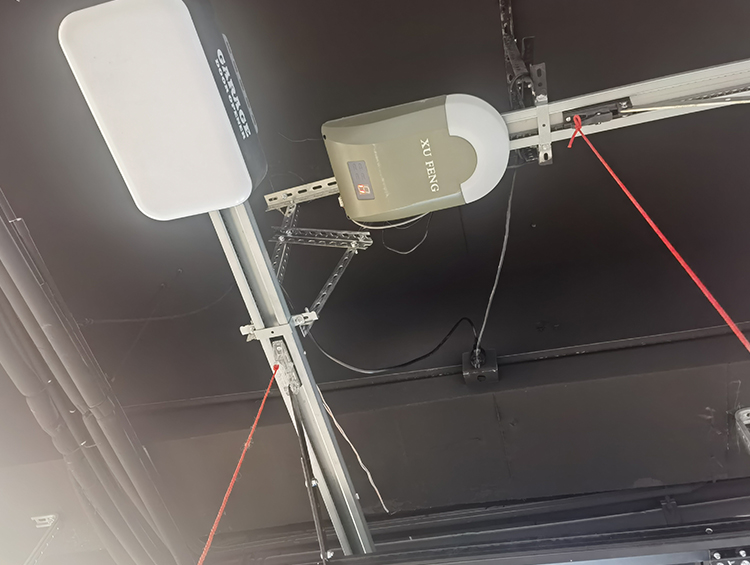
Automatic garage doors use a motor to transfer power to the door, with tracks guiding the door upward to open and close. With just a press of a remote button or wall switch, you can easily open and close the door. This convenient operation eliminates the need to get out of the car to open or close the garage door, making it ideal for larger, heavier garage doors and families who prefer not to exit their car multiple times.
Smart Garage Door
Smart garage doors are the latest trend, thanks to the widespread use of smart home technology. With built-in WiFi and remote control integration, these doors allow you to easily monitor and control the opening and closing of your garage door from anywhere. This smart technology connects your garage door to other home automation systems, giving you greater convenience and control.
Based on Design
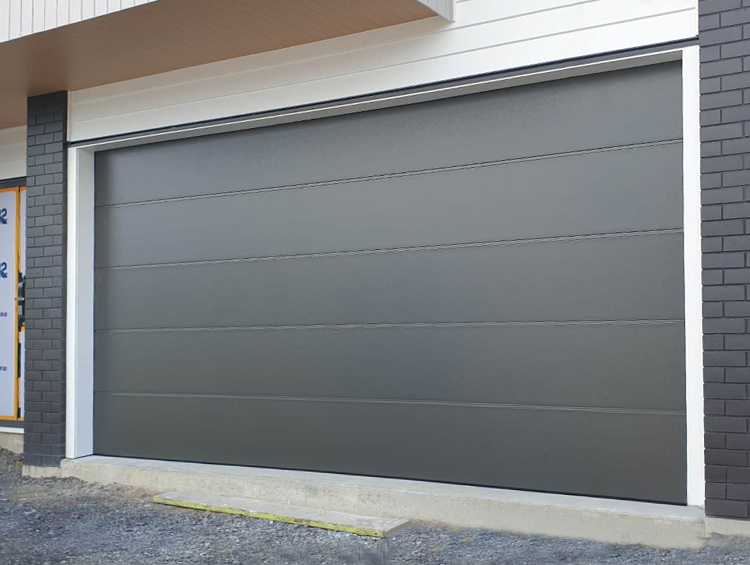
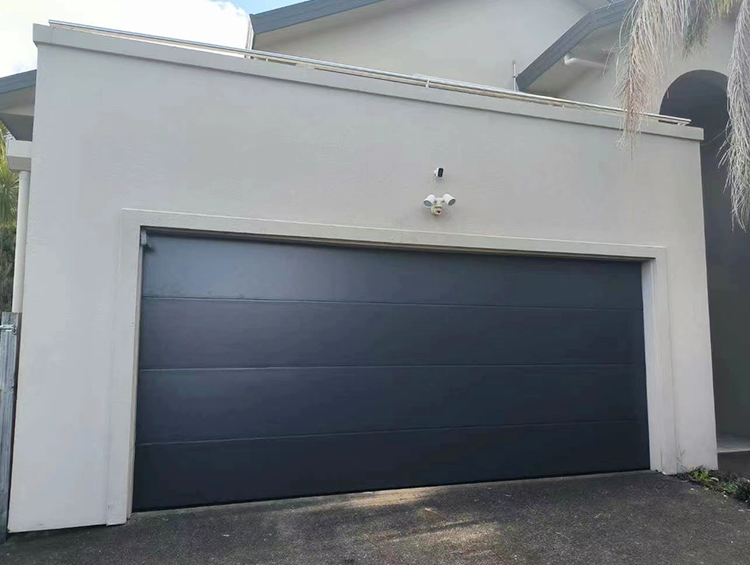
There are many new garage door options available based on style, color, design, and surface finish. You can choose the right garage door to match the style of your existing building.
Style
Traditional Garage Doors
Traditional garage doors are a classic style, typically featuring a grid design on the door panels. The raised grids add depth and dimension to the panels, making them a perfect match for a variety of architectural styles.
Carriage Garage Doors
Carriage house garage doors have an appearance similar to old carriage doors, with a distinctive weathered look. While they appear to open outward like traditional carriage doors, they actually lift upward along the garage ceiling. These doors offer a vintage, unique appearance and are equipped with decorative hardware, making them a great match for most home architectural styles.
Contemporary Garage Doors
Contemporary garage doors have a sleek and modern appearance, featuring clean lines, simple finishes, and optional large glass windows. Some garage doors even use an all-aluminum frame paired with full-view glass, making them a perfect fit for contemporary architectural and interior design styles.
Color
Garage door panels mainly come in solid colors, wood grain, and floor color series. You can choose a color that matches your house or simply a color you like. Special colors can also be custom ordered.
Solid Color
Solid color garage doors have a uniform look, appearing simple and elegant, making them suitable for all types of building styles. The main colors for solid garage door panels include white RAL9016, black RAL9017, off white RAL9002, cream RAL1015, brown RAL8017, gray RAL7016, and silver RAL9006. White is the most commonly used color, but other panel colors can also be customized.
Wood Color
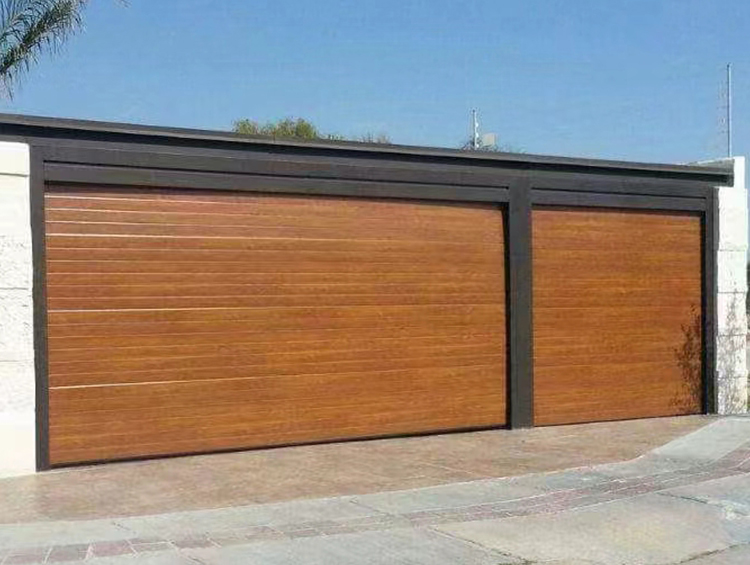
The wood grain color garage doors look similar to real wood doors and are very popular in many places. The main colors for wood grain garage doors include golden oak, light walnut,black walnut, teak, nature cedar, elm tree and so on. Other special colors can be custom ordered from the garage door manufacturer.
Floor Color
Floor color garage doors mimic the look of flooring, giving them a natural and attractive appearance. The main colors for these doors are golden floor color and carbon floor color. Other special colors can be custom ordered from the garage door manufacturer.
Panel Design
Garage door panel styles mainly include classic grids, stripes, flat panels, and industrial panels. The classic style features small or rectangular grids, while the stripe style offers options like one, two, three, or four lines, as well as micro wave lines. The line design is simple and clean, giving a modern and elegant look.
Surface Embossment
The surface textures of garage door panels mainly include orange peel, wood grain, mirror finish, and matte finishes. Whether you prefer a smooth surface or one with distinct textures, it’s important to choose according to your personal needs and style preferences.
Based on Material
Steel Garage Door
Steel garage doors are typically made of double-layer thick steel, with polyurethane foam filling in between. This construction provides excellent insulation, soundproofing, and weather resistance, while also saving energy and improving safety. With their attractive appearance and cost-effectiveness, steel garage doors are among the most popular and widely used garage doors today.
Aluminum Garage Door
Aluminum garage doors are well-suited for large glass windows, allowing ample natural light into the garage, making it brighter and more visually appealing. Aluminum garage doors are lighter than steel doors and are resistant to rust and corrosion, making them ideal for humid or coastal areas. Their sleek and attractive appearance also draws attention.
Wood Garage Door
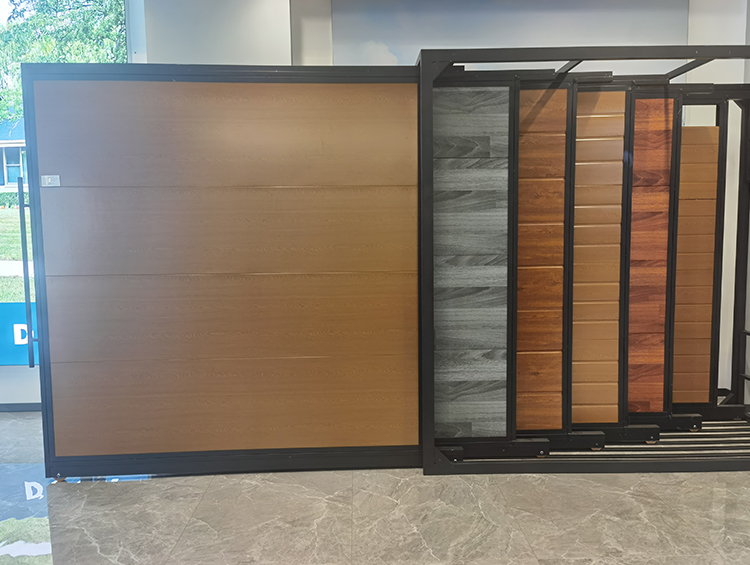
Wooden garage doors are made from wood panels, offering a natural and beautiful appearance with a variety of style options. Wood is a renewable resource, making it an environmentally friendly choice. However, compared to other garage doors, wooden doors require more maintenance, such as regular painting, and have higher upkeep costs.
Composite Wood Garage Door
Composite wooden garage doors have a similar appearance to traditional wooden doors, but they are more durable and resistant to cracking and corrosion. They require less maintenance and are better suited for harsh environments, making them a more practical choice compared to natural wood.
Based on Construction
Finger Protection Garage Door
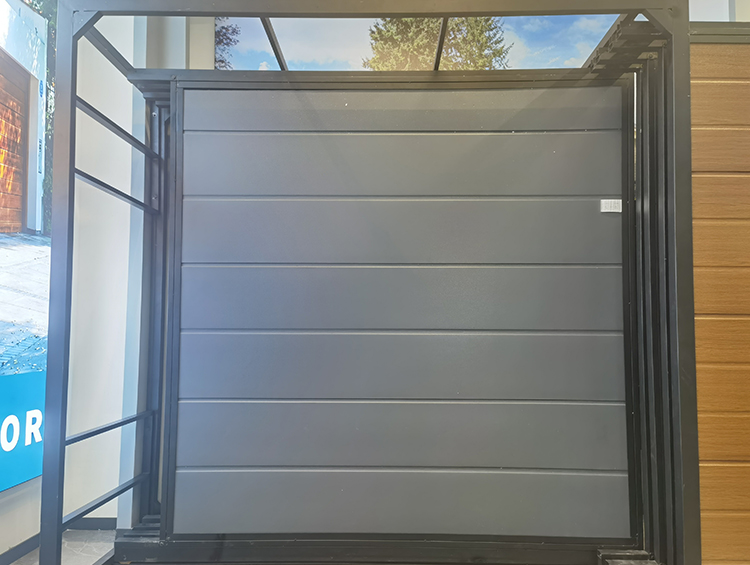
Finger protection garage doors feature door panels with pinch-resistant joints. This design ensures that even if a finger is placed on the door panel during operation, it won’t get caught. Finger protection garage doors offer higher safety, especially in homes with children, as they effectively protect the safety of your family.
Non Finger Protection Garage Door
Non finger protection garage doors use American-style joint door panels. These doors have a simple structure, making repairs or replacements easier when damaged. However, it’s important to be cautious when opening or closing the door to avoid placing fingers on the door panel to prevent injury.
Based on Function
Non-insulated Garage Door
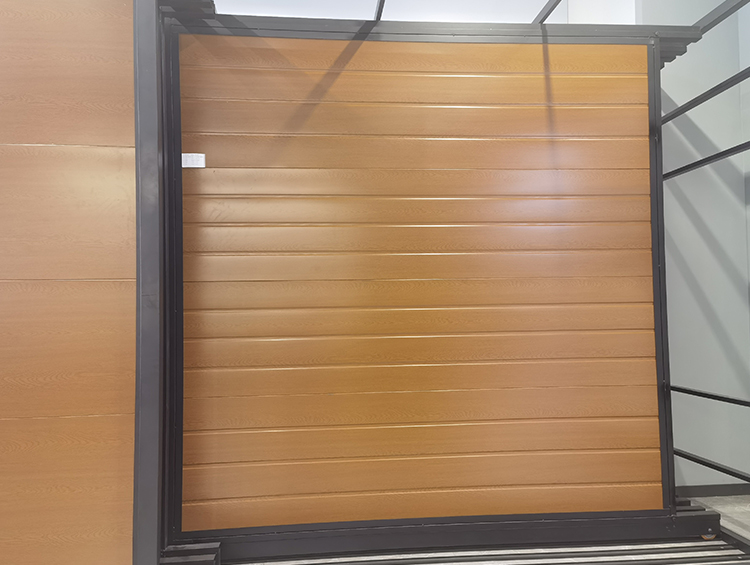
Non-insulated garage doors typically use single-layer steel panels without an insulating layer in between. This means they cannot block the heat transfer between the interior and exterior of the garage. Additionally, since these doors are thinner, their soundproofing and noise reduction are not as effective as insulated garage doors.
Insulated Garage Door
Insulated garage doors feature double-layer steel panels with high-quality polyurethane foam insulation in between. Because polyurethane foam offers excellent thermal insulation, these doors effectively reduce energy loss inside the garage, helping lower cooling and heating costs. Additionally, the top, sides, and bottom of the door are equipped with high-quality weather seals that effectively minimize the entry of outside air into the garage, further reducing energy waste.
Based on Reliable Operation
Torsion Spring Garage Door
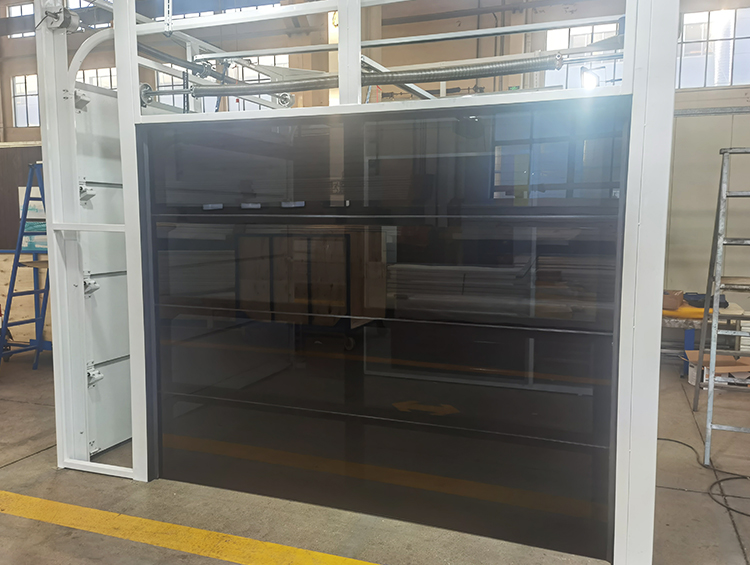
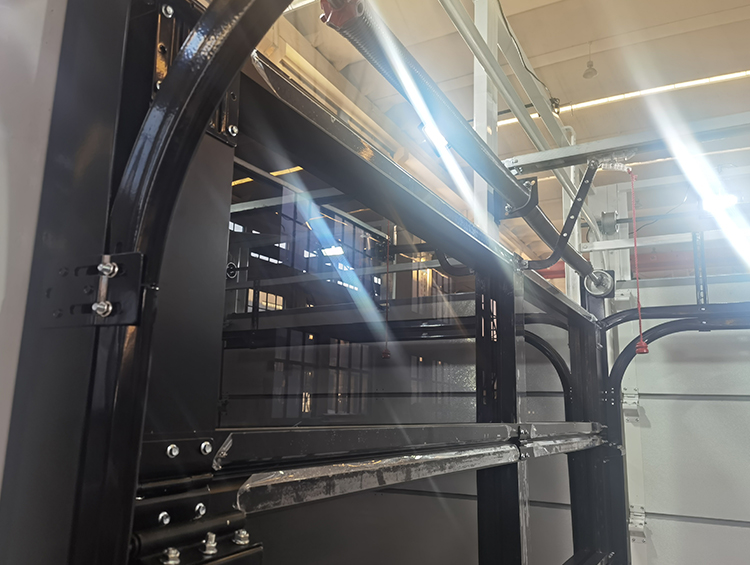
Torsion spring garage doors are typically located directly above the inside of the garage door. When the door lowers, the garage door torsion spring is wound tight and remains under tension. As the door rises, the spring loosens. With the help of the spring's force, a person or the garage door opener can easily raise and lower the door. Torsion spring garage doors are commonly used in most households.
Extension Spring Garage Door
Extension spring garage doors use an extension spring balance system, with the springs typically secured by safety cables on both sides of the upper track. The springs provide tension, helping the door open and close smoothly, keeping the movement of the door stable. This type of garage door requires a minimum headroom of 150mm (6") above the door opening and is often suitable for garages with limited installation space, making it a cost-effective option.
Rear Spring Garage Door
The rear torsion spring garage door has its torsion springs installed at the end of the horizontal track. If the garage has limited headroom or obstacles at the top, this type of door is perfect for avoiding them. The required minimum headroom for a rear torsion spring garage door is greater than 150mm (6"), making it suitable for garages with limited installation space.
Based on size
Garage doors are generally categorized based on garage door size, standard garage door sizes including single-car garage doors, double-car garage doors, and oversized garage doors.
Single Garage Door
Single garage doors typically have a width between 5 to 10 feet and a height between 6 to 8 feet. This size is suitable for garages that can only accommodate one car.
Double Garage Door
Double garage doors typically have a width between 12 to 18 feet and a height between 6 to 8 feet. This size is ideal for garages that can accommodate two cars.
Oversized Garage Door
Oversized garage doors typically have a width between 14 to 18 feet and a height between 8 to 10 feet. This size is suitable for garages that can accommodate multiple cars, trucks, or RVs.
Conclusion
In summary, before choosing the right garage door, it's important to understand the different types, their pros and cons, and which environments they are best suited for.This way, no matter what kind of garage door you need, you can find it here.